 (Image via
The landscape of educational resources is undergoing a significant transformation. As costs for traditional textbooks continue to rise, students and educators are turning to more flexible and affordable solutions. Open textbook platforms are at the forefront of this change, offering high-quality, free educational materials. When these platforms integrate adaptive testing, they create a powerful tool for personalized learning.
What Are Open Textbook Platforms?
Open textbook platforms are online repositories that provide access to textbooks and other educational resources under an open license, such as Creative Commons. This means the materials are free to use, share, and even modify. These platforms are more than just digital libraries; they are collaborative spaces where educators can find, create, and customize content to fit their specific curriculum needs.
Key benefits for students and educators include:
- Cost Savings: The most immediate benefit is the elimination of expensive textbook fees, making education more accessible for all students.
- Accessibility: Digital formats are available anytime, anywhere, on multiple devices. Many platforms also offer features for students with disabilities.
- Customization: Educators can adapt content to their teaching style, mix and match chapters from different books, and update materials with the latest information.
- Current Content: Unlike print editions that can become outdated, open educational resources (OER) can be updated in real-time by a community of experts.
Enhancing Learning with Adaptive Testing
While access to free materials is a major step forward, the real innovation happens when open textbooks are combined with adaptive testing. Adaptive testing is a method where the difficulty of questions adjusts based on a student's previous answers.
Here’s how it works: If a student answers a question correctly, the next question becomes slightly more challenging. If they answer incorrectly, the system presents an easier question or one that reinforces the underlying concept. This dynamic approach moves away from the one-size-fits-all model of traditional exams.
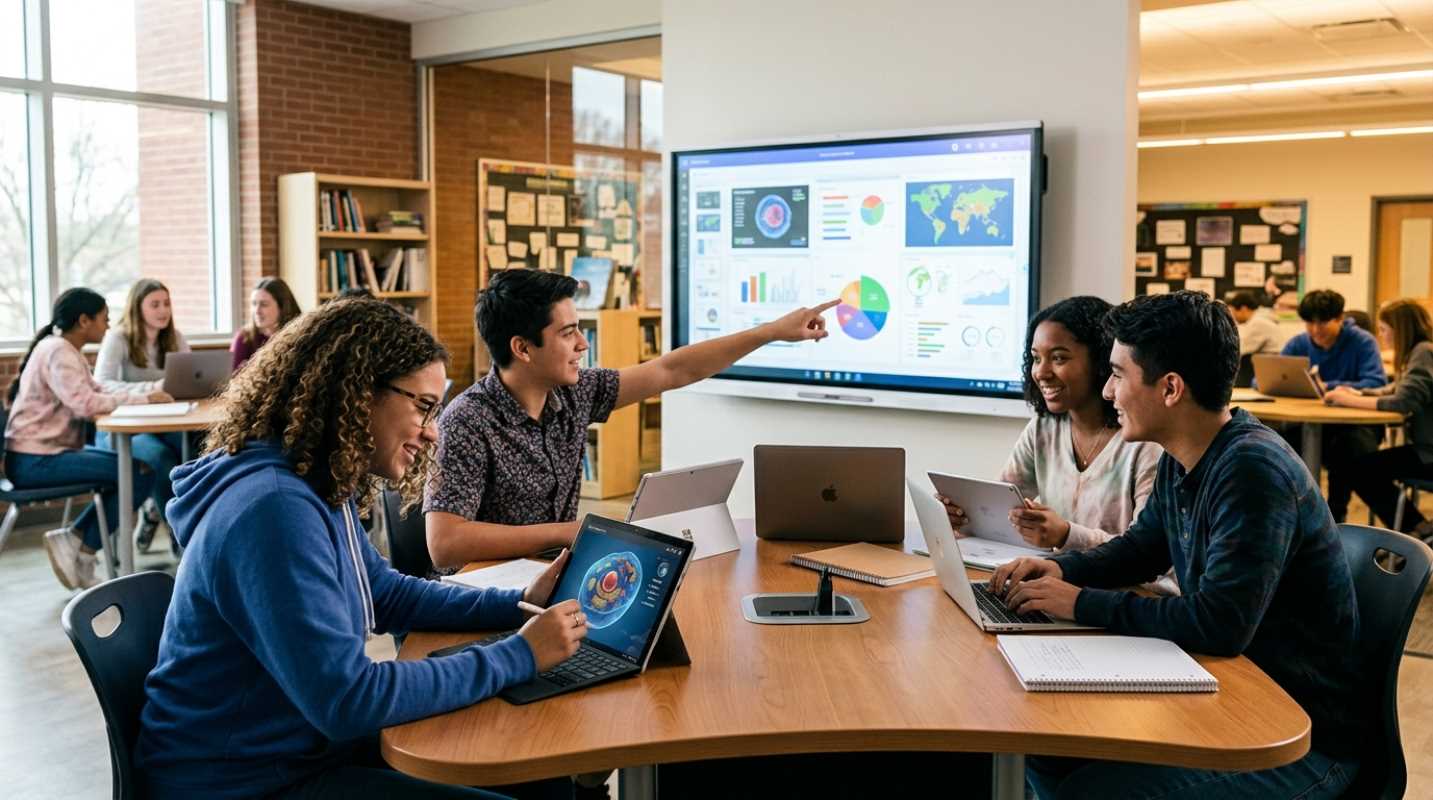
The integration of adaptive testing into open textbook platforms creates a smarter, more responsive learning environment. As students read through a chapter, they can take quizzes that pinpoint their exact level of understanding. The results provide immediate feedback, identifying areas where they excel and topics they need to review. This process transforms reading from a passive activity into an active and engaging learning experience.
Platforms Leading the Way
Several platforms are pioneering the combination of open resources and adaptive technology.
- OpenStax: A leading publisher of free, peer-reviewed college textbooks, OpenStax partners with technology providers to offer low-cost adaptive learning courseware alongside its texts. This allows students to use the free textbook and supplement it with personalized practice.
- LibreTexts: This platform has a vast library of OER and incorporates adaptive learning systems. Its embedded homework systems, like ADAPT, allow instructors to create assignments that adjust to student performance, offering hints and targeted feedback.
- CogBooks: This platform enables educators to build complete courses using OER or their own materials. Its adaptive engine personalizes the learning path for each student, guiding them through the content based on their interactions and quiz performance.