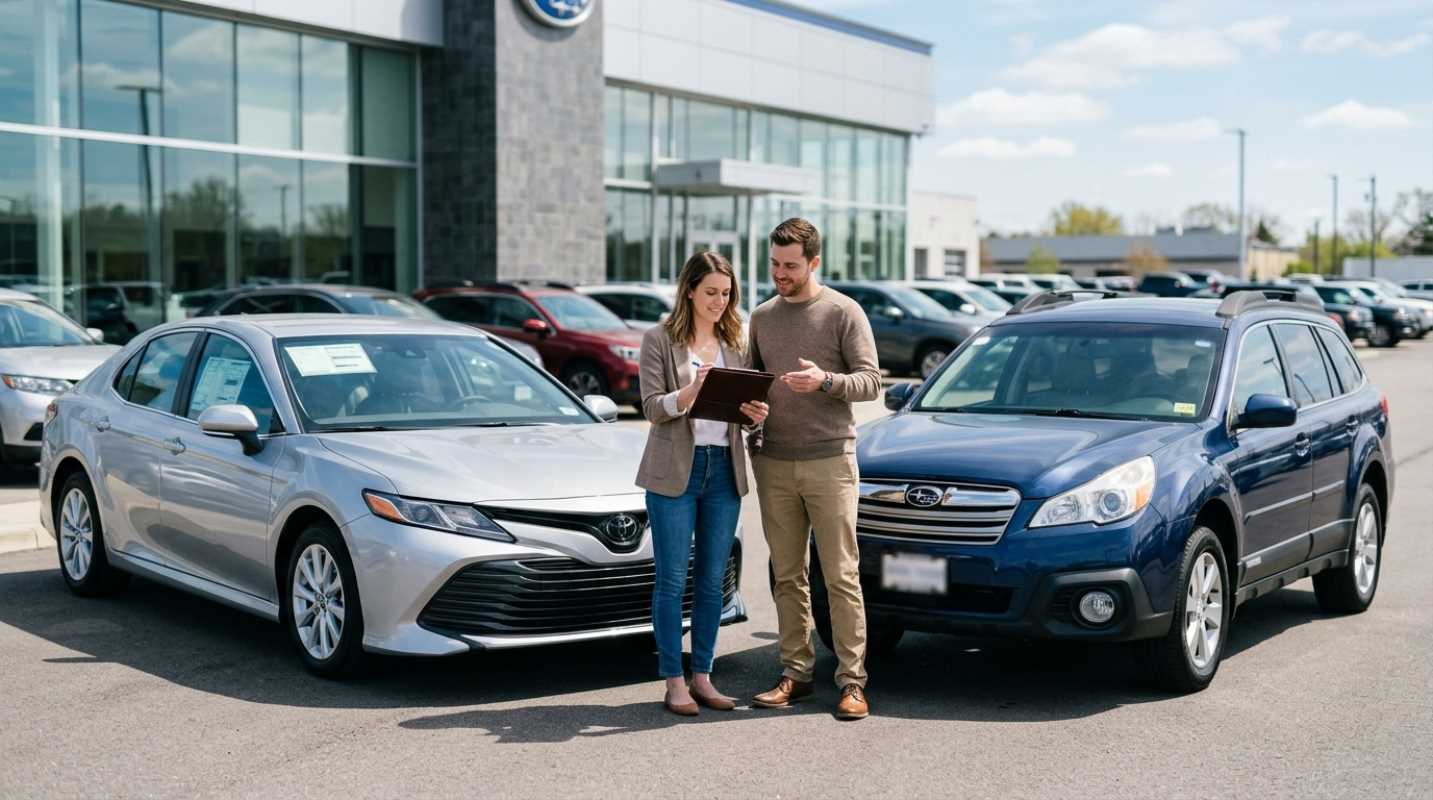
Have you ever sat in a brand-new car and taken a deep breath of that famous new car smell? It is intoxicating. There is a psychological thrill to being the very first person to own a machine, knowing every mile on the odometer belongs to you. But then, reality hits when you look at the monthly payment.
On the other hand, buying a used car feels like the practical, smart-money move. You let someone else take the financial hit while you reap the savings. But is it really that simple?
In 2026, the automotive market is a different beast. Post-pandemic inventory shifts, wild interest rates, and soaring insurance costs have blurred the lines. Finding the best value for your budget means looking past the sticker price. You have to calculate the total cost of ownership, which includes everything from depreciation to the interest you pay on your loan.
The Real Cost of New Cars Depreciation and Premiums
Let's talk about the elephant in the showroom: depreciation. It is the single biggest expense of owning a new car, and it starts the second you drive off the lot.
A brand-new vehicle typically loses 10% to 12.5% of its value the moment you cross the dealership curb. By the time you blow out the candles on your car's first birthday, it has lost about 20% of its value. Fast forward five years, and you are looking at a 60% drop from the original purchase price. According to data from the American Automobile Association (AAA), new cars lose an average of $4,334 in value every single year.¹
But depreciation is not the only premium you pay. Insurance companies charge more to cover new vehicles because their replacement value is high. They are also packed with advanced cameras, radar, and safety sensors that cost a fortune to fix after a minor fender bender.
So why do people still buy new? It is not just about vanity. New cars come with a massive safety net: the manufacturer's warranty. For the first three to five years, your unexpected repair costs are exactly zero dollars. You also get the absolute latest safety tech and fuel-saving features, which can save you money and stress down the road.
The Used Car Reality Hidden Savings and Risks
If you want to dodge that initial 20% depreciation drop, buying used is the obvious route. Used cars lose value at a much slower, friendlier rate of about 5% per year after that first big drop. But do not assume a used car is automatically a financial home run.
The average age of vehicles on American roads has climbed to an all-time high of 12.6 years. Because cars are staying on the road longer, repair and maintenance costs have surged. In fact, routine upkeep and repairs have jumped 43.6% since 2019, with the average driver spending $936 per year just to keep their ride running.
When you buy a used car, you are taking on the risk of what happens when the factory warranty expires. A three-year-old vehicle typically costs $1,600 to $2,200 more in repairs over a five-year period than a brand-new one. Once you cross the 75,000-mile mark, expensive wear-and-tear items like suspension, belts, and brakes start calling for replacement.
If you are shopping the used market, you have to be smart to avoid buying a lemon. Here are three key steps to protect your wallet
• Get a pre-purchase inspection : Have an independent mechanic look over the car before you sign anything.
• Review the vehicle history report : Look for past accidents, title issues, and consistent maintenance records.
• Look at electric vehicles : If you want a massive bargain, used EVs are experiencing brutal depreciation. A five-year-old EV depreciates at an average rate of 57.2% compared to 41.8% for gas cars, making them incredible deals on the secondhand market.
Calculating Long-Term Vehicle Expenses
To figure out which option actually saves you money, you need to use the total cost of ownership formula. This is: purchase price plus financing, maintenance, insurance, and fuel, minus what you can sell it for later.
Financing is where many used car buyers get a nasty surprise. Lenders view used cars as riskier assets, so they charge much higher interest rates. According to Experian, the average interest rate for a new car loan is around 6.37% to 6.80%, while the average used car loan rate jumps to a painful 11.26% to 11.54%.² For buyers with lower credit scores, used car rates can easily soar past 21%.
Let's look at a concrete example to see how these numbers play out over a five-year ownership period. We will compare a brand-new Toyota Camry LE against a three-year-old model.
Five-Year Cost Comparison (New Camry vs. Used Camry)
• Purchase Price : The new model costs $28,400, while the three-year-old used model costs $19,500.
• Depreciation : The new model loses $14,800 in value, while the used model loses $8,200.
• Financing Costs : Interest on the new car loan at 6.4% APR is $6,190, while interest on the used car loan at 11.2% APR is $3,920.
• Insurance Costs : Insurance for the new car totals $8,750 over five years, while the used car costs $7,900.³
• Maintenance and Repairs : The new car requires $3,200 in basic upkeep, while the used car requires $5,100.
• Total Five-Year Cost : The new car costs $47,940 overall, while the used car costs $38,620.
In this scenario, the used Camry saves you $9,320 over five years. That is a solid chunk of cash, but notice how the gap is much smaller than the initial $8,900 price difference. If the used car needs a major repair like a new transmission, or if your credit score pushes your interest rate higher, that savings gap shrinks fast.
Making the Final Decision Which Path Fits Your Lifestyle?
So how do you choose? It really comes down to your personal risk tolerance and how you use your vehicle.
If you hate the idea of unexpected repair bills and want the peace of mind that comes with a warranty, buying new is often worth the extra cost. This is especially true if you can qualify for promotional low-interest financing from a manufacturer, which can erase the interest rate penalty.
But if you want to keep your monthly payments as low as possible and do not mind setting aside a rainy-day fund for mechanical repairs, buying used remains the smartest path to saving money. Just make sure you do your homework, get an inspection, and shop around for the best loan rate before you step onto the lot.
If you are ready to start shopping, here are some excellent resources and tools to help you compare your options and secure the best rates.
Sources:
1. AAA New Vehicle Ownership Costs
https://newsroom.aaa.com/2025/09/aaa-new-vehicle-costs-drop-to-11577/
2. Santander Consumer USA New vs Used Car Financing
https://santanderconsumerusa.com/blog/new-vs-used-car-financing
3. Mitch Insurance New vs Used Cost of Car Insurance
https://mitchinsurance.com/blog/new-vs-used-cost-of-car-insurance/
*This article on answersgalore.net is for informational and educational purposes only. Readers are encouraged to consult qualified professionals and verify details with official sources before making decisions. This content does not constitute professional advice.*