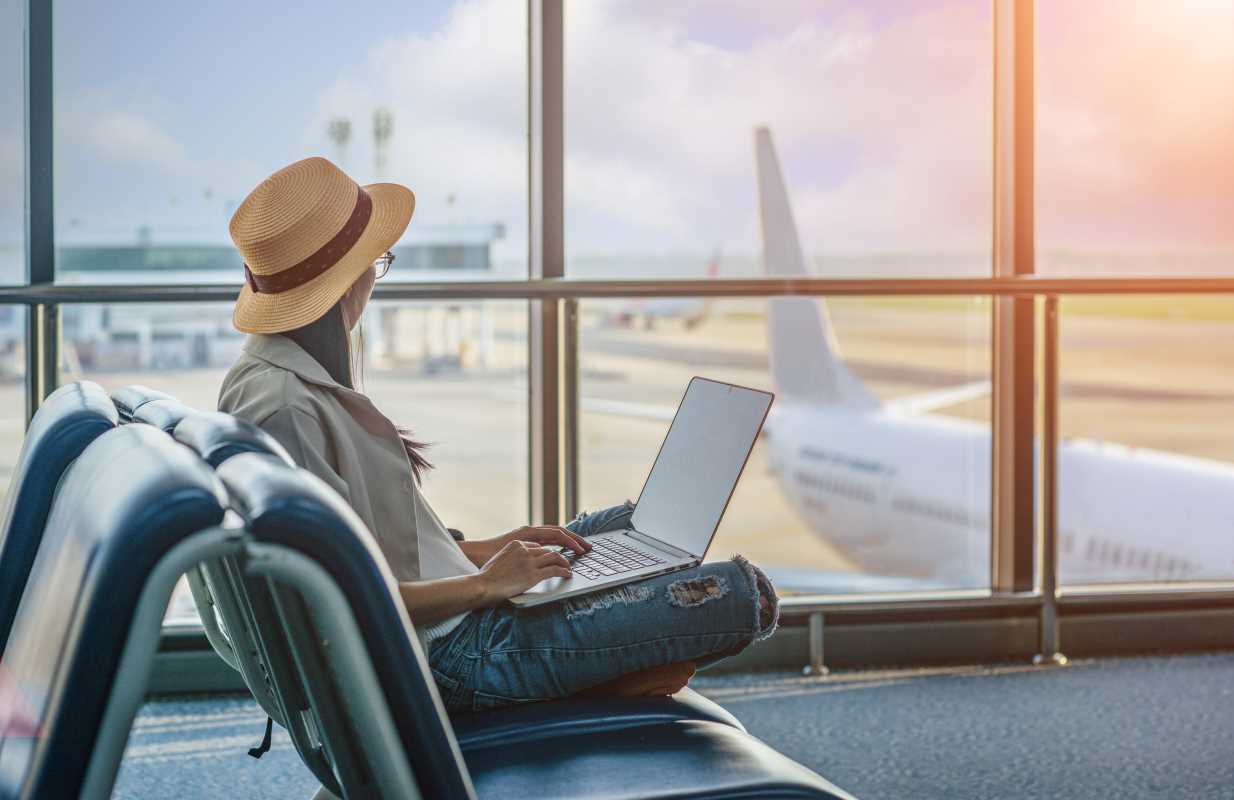
Traveling abroad is one of the most exciting things you can do! It is a chance to discover new cultures, taste amazing food, and create memories that will last a lifetime. To make sure your adventure is smooth and worry-free, a little planning goes a long way. Being prepared for the unexpected is the secret to traveling with total confidence.
Ready to pack your peace of mind? This emergency planning checklist will walk you through the essential steps to prepare for a safe and incredible international trip!
Before You Go: Your Document Safety Net
Getting your documents in order is the first step to smart travel. Think of this as your personal safety net.
- Secure Travel Insurance: This is a non-negotiable for international travel. A good policy can help with everything from a lost suitcase to a medical emergency. Make sure your plan includes medical coverage, evacuation, and trip cancellation. It is a small investment for huge peace of mind!
- Make Copies of Everything: Create both digital and physical copies of your most important documents. This includes your passport, visa, driver's license, flight itineraries, and hotel confirmations. Keep the physical copies separate from the originals, and save the digital copies in a secure cloud service or your email.
- Register Your Trip: Let your government know where you are going! Most countries have a program for citizens traveling abroad, like the U.S. State Department's Smart Traveler Enrollment Program (STEP). This makes it easier for your embassy to contact you in an emergency.
- Share Your Itinerary: Leave a copy of your travel plans with a trusted friend or family member back home. Include flight numbers, hotel addresses, and a general idea of your daily schedule.
Health and Safety First: Pack Smart, Stay Well
A few simple health preparations can make all the difference if you encounter a bump in the road.
- Pack a Custom First-Aid Kit: While you can buy pre-made kits, it is always a good idea to customize one for your trip. Be sure to include:
- Any personal prescription medications (in their original bottles).
- Pain relievers like ibuprofen or acetaminophen.
- Bandages, antiseptic wipes, and blister treatment.
- Medication for upset stomach or allergies.
- Insect repellent and sunscreen.
- Check Vaccination Requirements: Some destinations require specific vaccinations. Check with your doctor or a travel clinic well in advance of your trip to make sure you are up to date.
- Know Local Emergency Numbers: In the U.S., you dial 911, but that number is not universal. Find out the local equivalent for police, fire, and ambulance services in the country you are visiting and save it in your phone. For example, it is 112 in the European Union and 111 in New Zealand.
Money Matters: Access to Funds
Losing access to your money can turn a great trip sour. Here is how to make sure you are financially prepared.
- Notify Your Banks: Let your bank and credit card companies know about your travel plans. This prevents them from freezing your accounts when they see international transactions.
- Carry Multiple Forms of Payment: Do not rely on just one card. Bring a mix of debit cards, credit cards, and some local currency in cash. Keep them in separate places in case one of your bags is lost or stolen.
- Have an Emergency Fund: Keep a backup credit card or a small stash of cash separate from your main wallet. This will be a lifesaver if your primary wallet goes missing.
Communication is Key: Staying Connected
Figuring out how to stay in touch during an emergency is crucial. Plan your communication strategy before you leave.
- Set Up an International Phone Plan: Check with your mobile provider about international roaming plans. Alternatively, you can buy a local SIM card when you arrive or use an eSIM for affordable data.
- Download Offline Maps: Apps like Google Maps allow you to download maps of an entire city or region. This means you can navigate without needing a data connection, which is incredibly useful if you get lost.
- Establish a Communication Plan: Decide with your family back home how you will check in. This could be a daily text, a weekly video call, or an agreement that you will contact them if your plans change suddenly.
Know Before You Go: Local Awareness
Every country is different, and a little research can help you navigate your destination with respect and confidence.
- Research Local Laws and Customs: What is perfectly normal in your home country might be a cultural faux pas or even illegal elsewhere. Researching local customs, dress codes, and laws helps you be a respectful and responsible traveler.
- Understand Potential Risks: Check your government's travel advisories for your destination. These provide up-to-date information on any safety risks, political instability, or health concerns in the area.
- Learn a Few Key Phrases: You do not need to become fluent, but learning how to say "hello," "thank you," "help," and "emergency" in the local language can be incredibly helpful and is always appreciated by locals.




.png)