 (Image source: Gemini)
 Today, the gap between what traditional degree programs teach and what industries actually need has become a canyon. It's not just about what you know anymore. It's about what you can do right now. Universities are finally catching on. They're moving away from being purely theoretical hubs where you spend four years reading dusty textbooks. Instead, they're changing into career accelerators. They've realized that the "one and done" education model is dead.
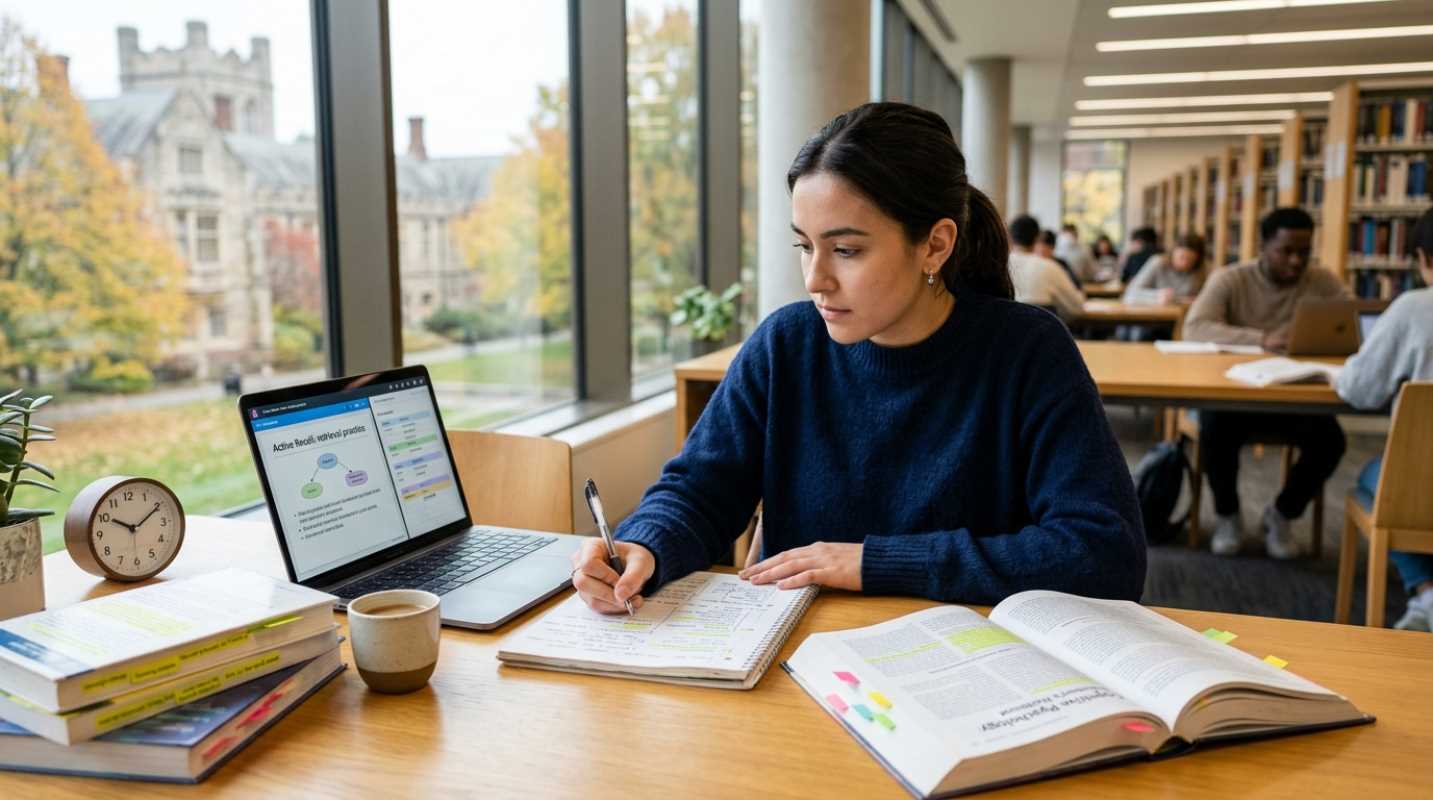
We've entered the era of lifelong learning. This means your education doesn't end when you toss your cap in the air. It's a continuous loop of upskilling and reskilling. If you aren't learning, you're falling behind. So what does this actually mean for you?
The Rise of Micro-Credentials and Stackable Degrees
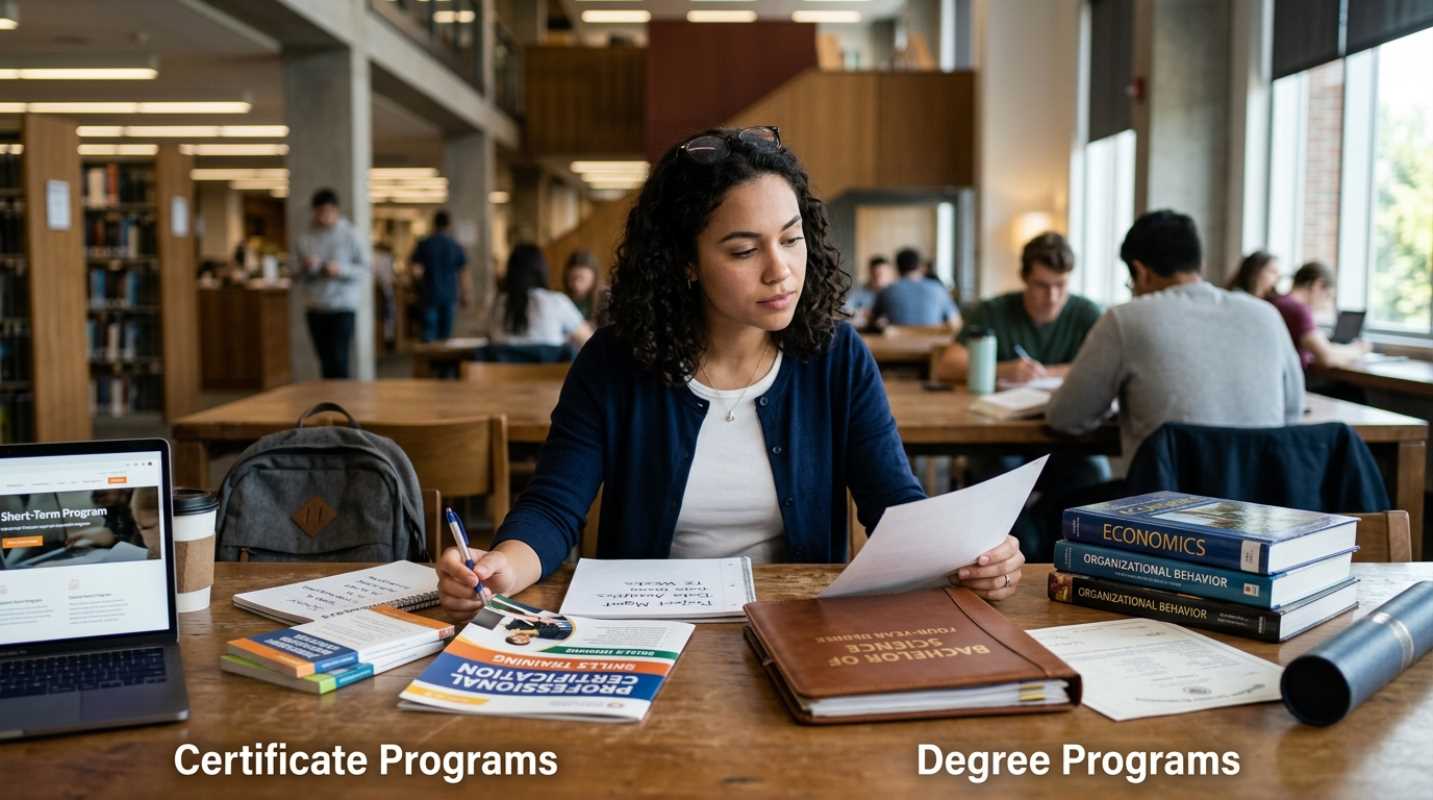
Think of your education like a collection of LEGO blocks. In the past, you bought one giant pre-built set. Now, you're building your own custom masterpiece one piece at a time. This is the world of micro-credentials.
These short-form certifications offer a level of agility that a standard degree just can't match. If a new technology drops tomorrow, you don't want to wait four years for a curriculum to be approved. You want a six-week course that gives you the specific skill you need.
The numbers back this up. In our current market, 85% of employers are prioritizing skills-based hiring over traditional credentials.¹ It's a massive shift. In fact, hiring for specific skills is now five times more predictive of how well you'll actually do the job compared to looking at your degree alone.²
What's even cooler is the "stackable" model. Universities like the University of Szeged in Hungary are leading the charge here. They're letting students use professional certificates to count toward their actual degree credits.
You can earn a certification from a company like Google or IBM, use it to get a job, and then "stack" it into a full degree later. It's a win-win. You get the immediate career boost and the long-term academic foundation. Plus, 90% of employers are now offering 10 to 15% higher starting salaries to candidates who show up with these specific credentials.³
AI and Personalized Learning Paths
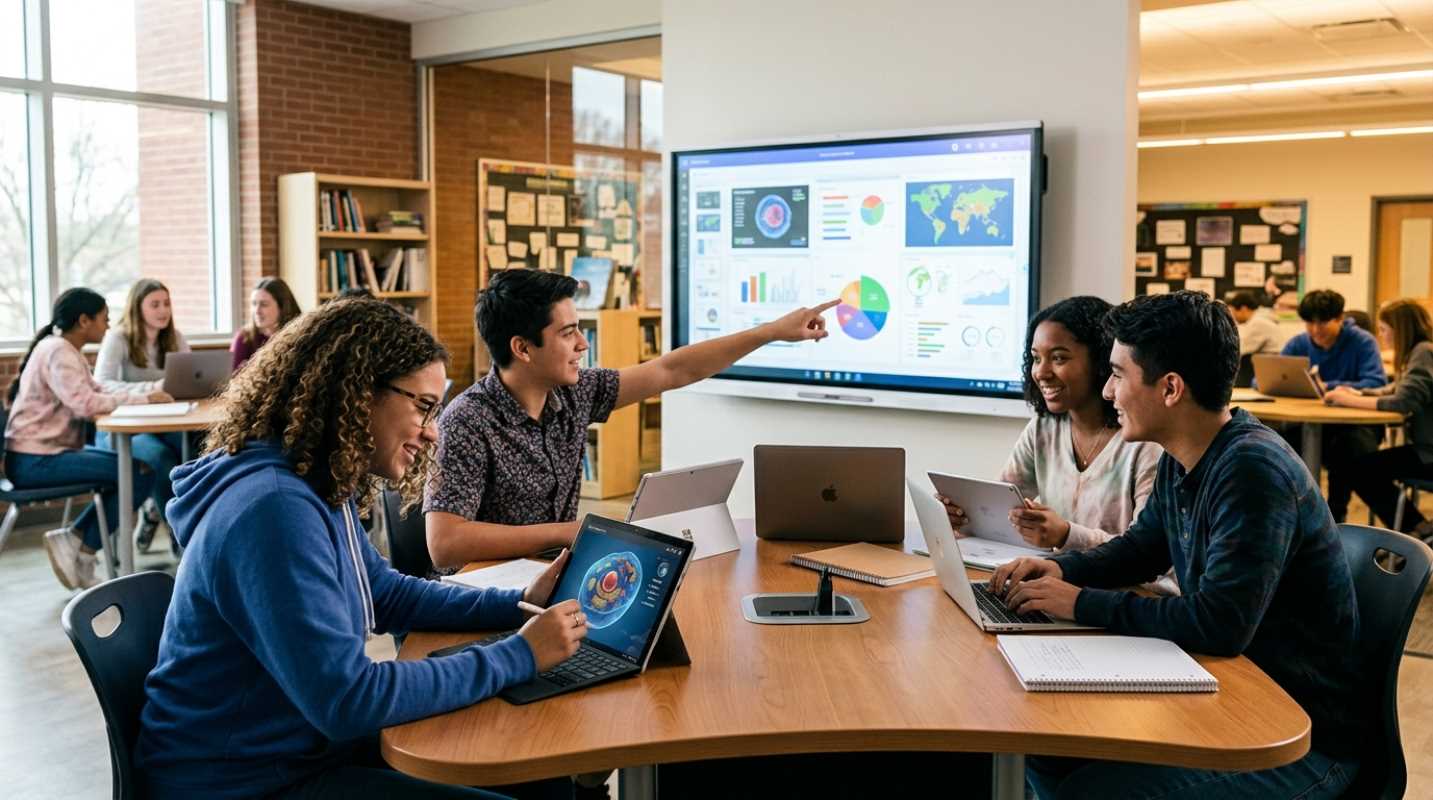
AI is everywhere, and I'm not just talking about students using chatbots to write essays. Universities are using AI to completely flip the script on how you learn. Imagine a curriculum that adapts to you, rather than forcing you to adapt to it.
We're seeing a move toward personalized learning paths. AI can look at your career goals and identify exactly where your skill gaps are. If you're a business major who wants to work in green energy, the system might suggest specific technical modules to round out your profile.
But there's a catch. Even though 86% of students are using AI in their daily studies, many feel like their schools aren't actually teaching them how to use these tools professionally. It's one thing to ask an AI to summarize a meeting. It's another thing to understand AI ethics or prompt engineering.
That's why schools like the University of Tampa have launched "AI Across the Curriculum" initiatives. They've realized that AI literacy is the new basic requirement, just like typing or using a spreadsheet used to be. Every student, whether they're studying philosophy or physics, needs to graduate with AI fluency.
Blurring Lines Between Academic and Practical Experience
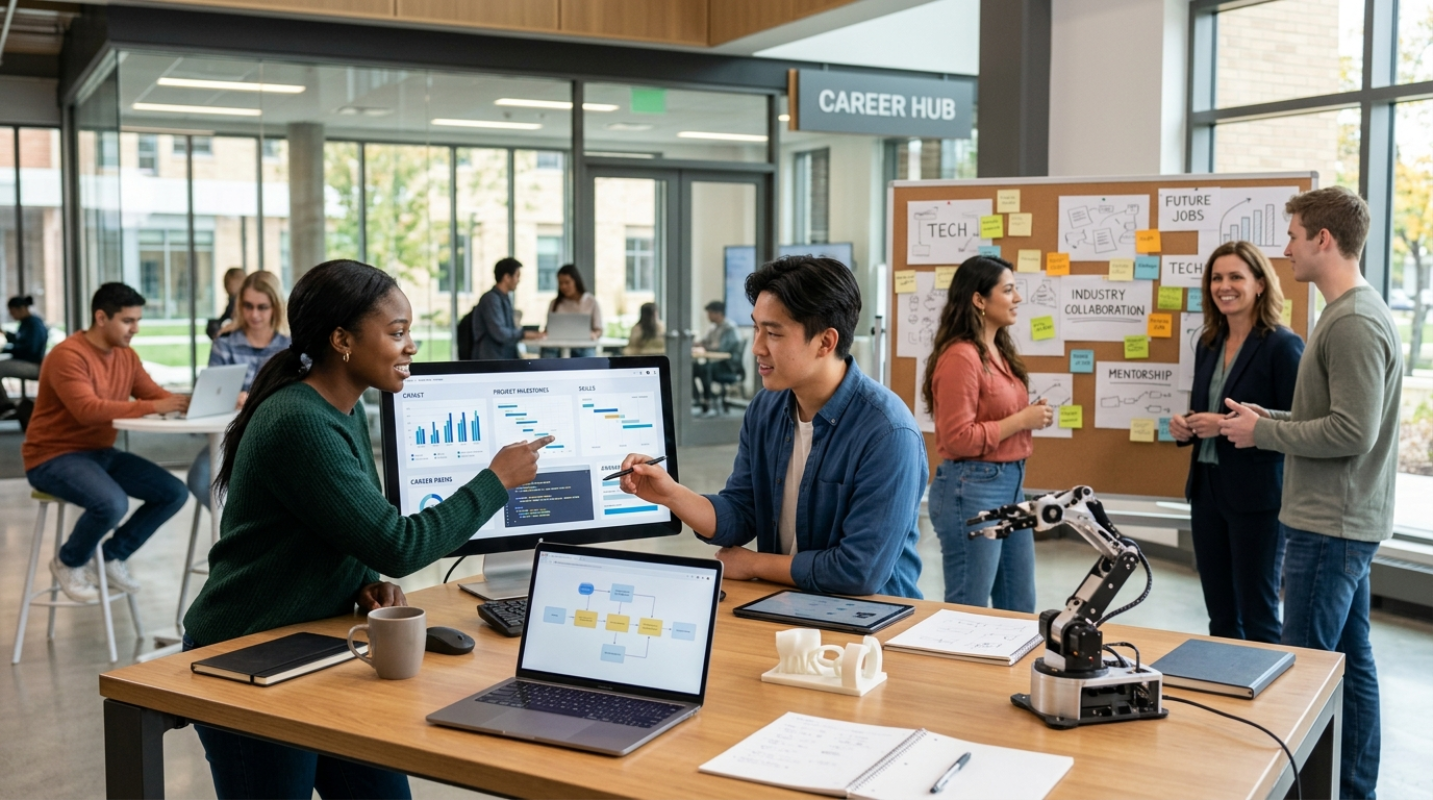
The wall between the classroom and the office is finally crumbling. We're seeing a huge growth in integrated work-study programs and apprenticeships that actually matter. It's the digital equivalent of an old-school trade apprenticeship, but for the modern white-collar world.
We're moving toward competency-based assessment. This is a fancy way of saying schools care more about what you can demonstrate than how many hours you sat in a chair. If you can prove you've mastered a skill in two weeks, why should you have to sit through a fifteen-week semester?
Virtual internships and remote collaboration tools are now core parts of the curriculum. You might be a student in Nebraska working on a live supply chain project for a medical center hundreds of miles away.
These aren't just "busy work" projects either. At the University of Nebraska, students have been working on operational projects that reduced process lead times by up to 35%. That's real-world impact before you've even graduated.
Prioritizing Human-Centric Soft Skills
With AI handling more of the technical heavy lifting, you might think "soft skills" are less important. Actually, it's the exact opposite. In a world of automation, the things that make you human are your greatest assets.
We're talking about important thinking, emotional intelligence, and adaptability. These are the "future-proof" skills that AI can't easily replicate. Think of them as your power skills. They're the glue that holds a hybrid human-AI workplace together.
Universities are starting to integrate liberal arts methodologies with technical training. They want you to be able to code, sure, but they also want you to be able to argue a point, lead a team through a crisis, and understand the ethical implications of your work.
By 2030, it's expected that 39% of the core skills required for any job will have changed.⁴ That's a staggering number. If you only focus on technical skills, your knowledge has a shelf life. If you focus on how to think and how to adapt, you're set for life.