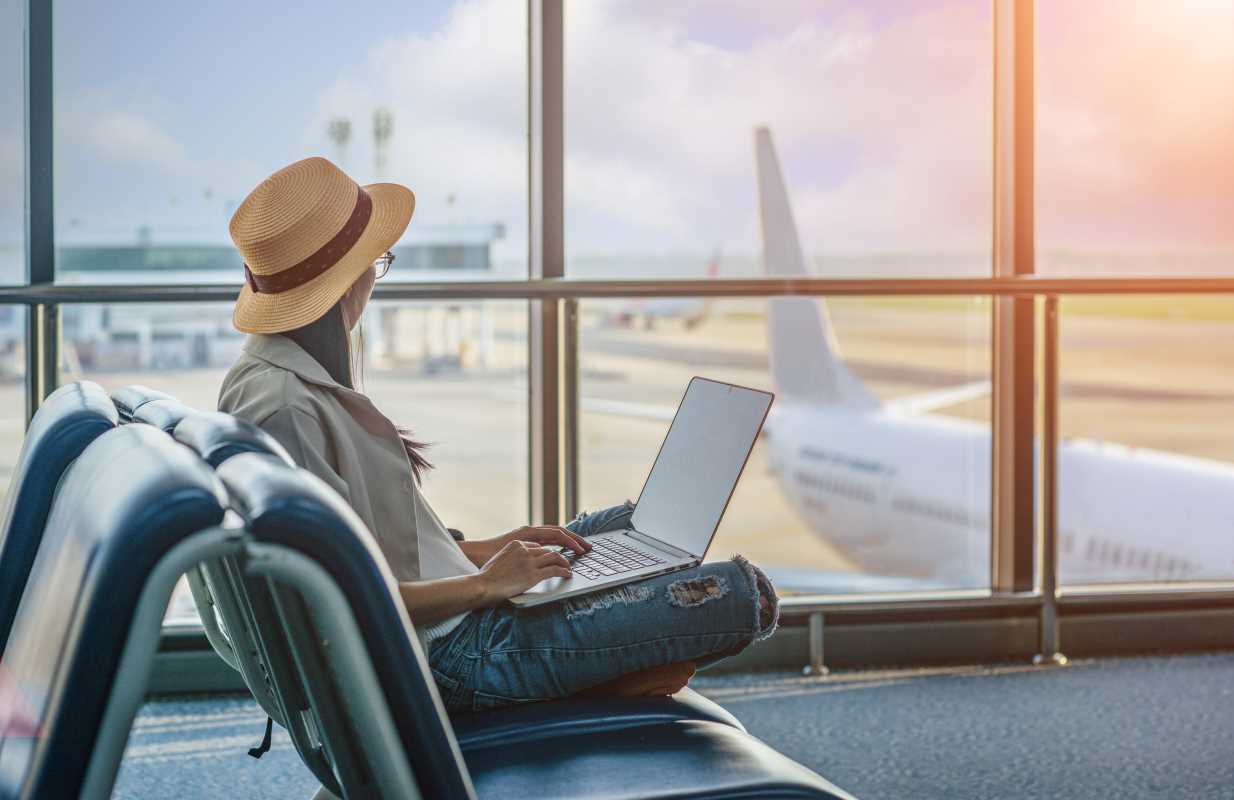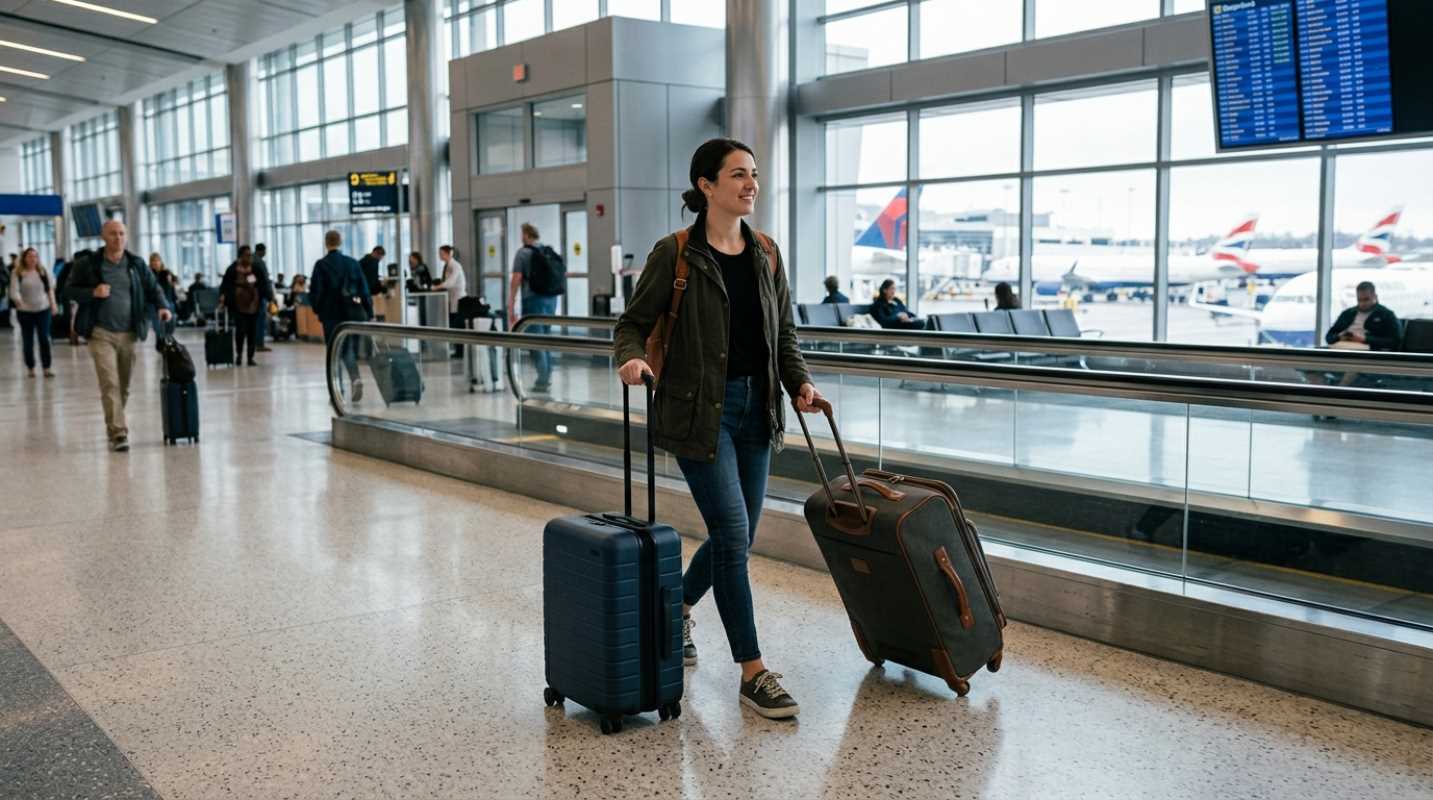
Picture this: you are standing at the baggage carousel, watching a parade of identical black suitcases slide past. It's been forty-five minutes since your flight landed. Your feet ache, your phone battery is at four percent, and your mind is playing a slow-motion reel of your bag ending up in a completely different timezone. Have you been there? We all have. It's the classic post-flight purgatory that makes every traveler question their life choices.
This brings us to the ultimate travel dilemma: do you pack light and embrace the freedom of a carry-on, or do you check a bag and enjoy the comfort of having options? It's a trade-off between speed and preparation. On one hand, you have the agile traveler who breezes past the crowds with a single backpack. On the other, you have the traveler who wants three pairs of shoes, full-sized shampoo, and a distinct outfit for every single day of vacation.
With airlines finding new ways to charge you for simply existing in the terminal, this choice is no longer just about personal style. It's a financial and strategic decision. To make the right call for your next trip, you need to understand how the rules of the game have changed. Let's break down the realities of the modern luggage scene to help you pack smarter.
The Case for Carry-On Luggage Speed and Security
Let's be honest: the absolute best reason to travel with only a carry-on is the pure, unfiltered sense of control. When your bag is sitting in the overhead bin right above your head, nothing can go wrong. No airline worker can throw it onto the wrong cart, and no conveyor belt can swallow it whole. Your belongings stay with you from the moment you leave your house until you check into your hotel.
Then there is the financial side of the equation. Checking a bag has become an expensive luxury. Airlines pulled in nearly 5.5 billion dollars in baggage fee revenue recently, and they are not slowing down. In fact, Southwest Airlines made headlines by ending its historic fifty-year-old "Bags Fly Free" policy, introducing a 35 dollar fee for the first checked bag. By April 2026, Southwest raised that fee again to 45 dollars for the first bag and 55 dollars for the second.¹ Other airlines followed suit, with Delta, United, and American charging up to 45 or 50 dollars for a single checked bag. If you are flying round-trip, checking a bag can easily add 100 dollars to your travel costs.
Beyond the money, think about the time you save. When you fly with just a carry-on, you skip the massive check-in queue at your departure airport. Once you land, you walk straight past the baggage claim crowd and head directly to your destination. It gives you the flexibility to catch an earlier train, handle public transit easily, or walk over cobblestone streets without dragging a massive trunk behind you.
When Checked Bags Are Actually the Better Choice
Even with the high fees, checking a bag is sometimes the only logical choice. If you are heading out on a month-long trip, traveling to a destination with extreme weather changes, or carrying specialized gear like hiking boots and winter coats, squeezing everything into a tiny overhead bag is a recipe for stress.
Checking a bag also spares you from the dreaded boarding gate scramble. You know the feeling: standing in line, watching passengers fight over the last remaining inches of overhead bin space like wolves. When you check your bag, you can board leisurely, carrying nothing but a small personal item.
Plus, checking a bag frees you from the strict limits on liquids. You can pack full-sized sunscreen, expensive hair products, or bring home a couple of bottles of local wine from your trip.
If you are worried about your bag getting lost, the good news is that airlines are getting much better at tracking. SITA's baggage tracking data shows that the global mishandled baggage rate dropped by 23 percent, down to 4.9 bags per 1,000 passengers.² Part of this success is due to passengers taking matters into their own hands. The integration of consumer tracking devices like Apple AirTags with airline recovery systems cut permanently lost luggage by 90 percent in a single year.³ Just keep in mind that connecting flights remain the primary danger zone, accounting for 39 percent of all mishandled bags. If you have a tight layover, checking a bag still comes with a risk.
Mastering the Art of Packing
If you decide to join the carry-on club, you need to know how to get the most from every square inch of your bag. Don't just throw things in and hope for the best.
• Use compression cubes: These zip-up pouches compress your clothes to squeeze out excess air, letting you pack up to 30 percent more.
• Avoid the expansion zipper: Many bags have a zipper that expands the depth of the suitcase. Unzipping this instantly makes your bag too thick for the airline sizer, which can lead to a 65 dollar gate-check fee.
• Wear your heaviest layers: Put on your bulkiest sweater, heaviest boots, and biggest jacket for the flight itself. You can always take them off once you board.
• Watch the international weight limits: Although US domestic airlines rarely weigh carry-on bags, many international carriers strictly enforce a combined weight limit of 15.4 to 22 pounds for your carry-on and personal item.
• Know your security lanes: The TSA is rolling out new 3D scanners at security checkpoints. If your lane has one of these modern scanners, you can leave your liquids and laptop inside your bag, saving you precious time.
The Verdict How to Decide for Your Next Trip
So how do you choose? The easiest way is to run your trip through a quick mental checklist.
First, look at your itinerary. If you have a direct flight under seven days, a carry-on is almost always the winner. If you have multiple tight connections, a carry-on protects you from the 39 percent transfer risk of lost luggage.
Second, look at your airline. If you are flying a budget carrier that charges high fees for carry-ons but offers cheap checked bags, or if you hold a co-branded airline credit card that gives you free checked bags, the financial math changes.
Finally, consider your travel style. Some people prefer the physical ease of walking through the airport hands-free, while others prefer the mental peace of keeping their bags close. Choose the option that lets you enjoy the journey.
Sources:
1. Airline Baggage Fee Increases 2026: What Business Travelers Need to Know
https://www.cbtravel.com/post/airline-baggage-fee-increases-2026-business-travel
2. Tech Drove Down Mishandled Bag Rates by 23%
https://www.sita.aero/about-us/pressroom/news-releases/tech-drove-down-mishandled-bag-rates-by-23-in-2025-but-mishandling-still-costs-the-industry-$6.3-billion-a-year
3. How Apple AirTags Helped Airlines Cut Lost Bags by 90 Percent
https://simpleflying.com/apple-airtags-airlines-lost-bags-90-percent-sita/


.png)