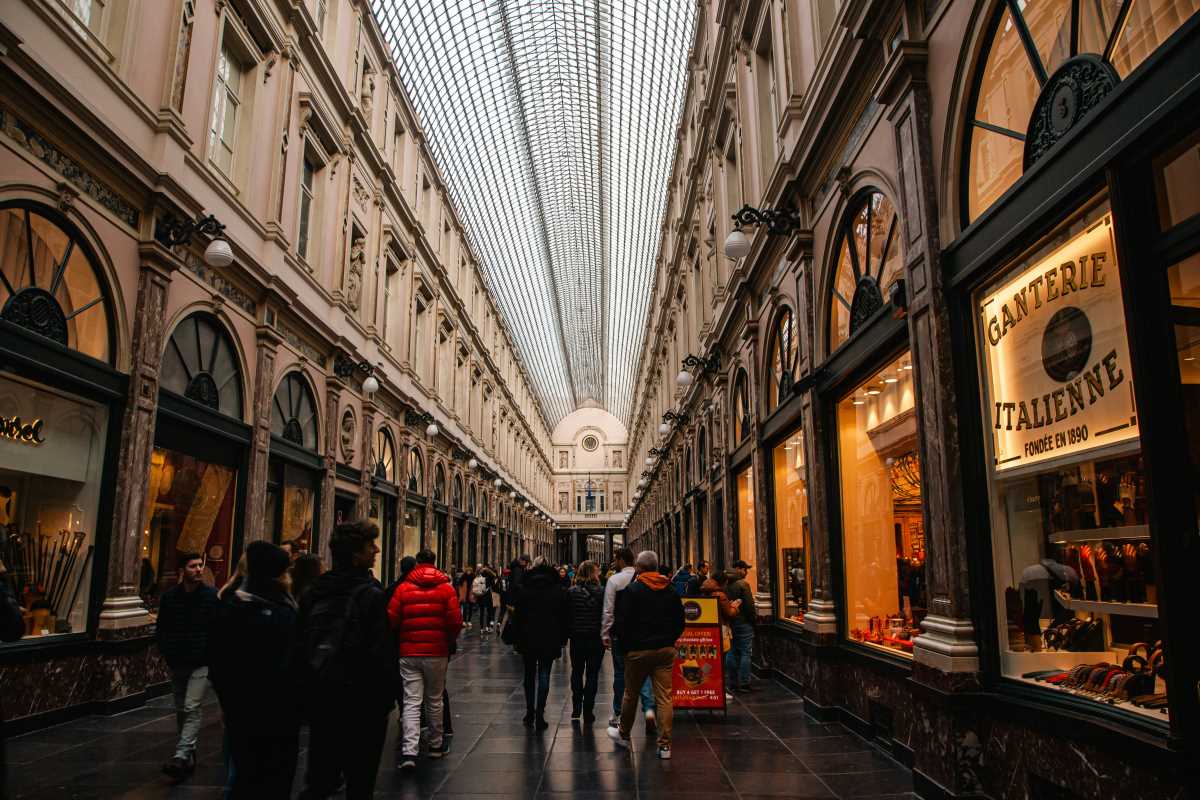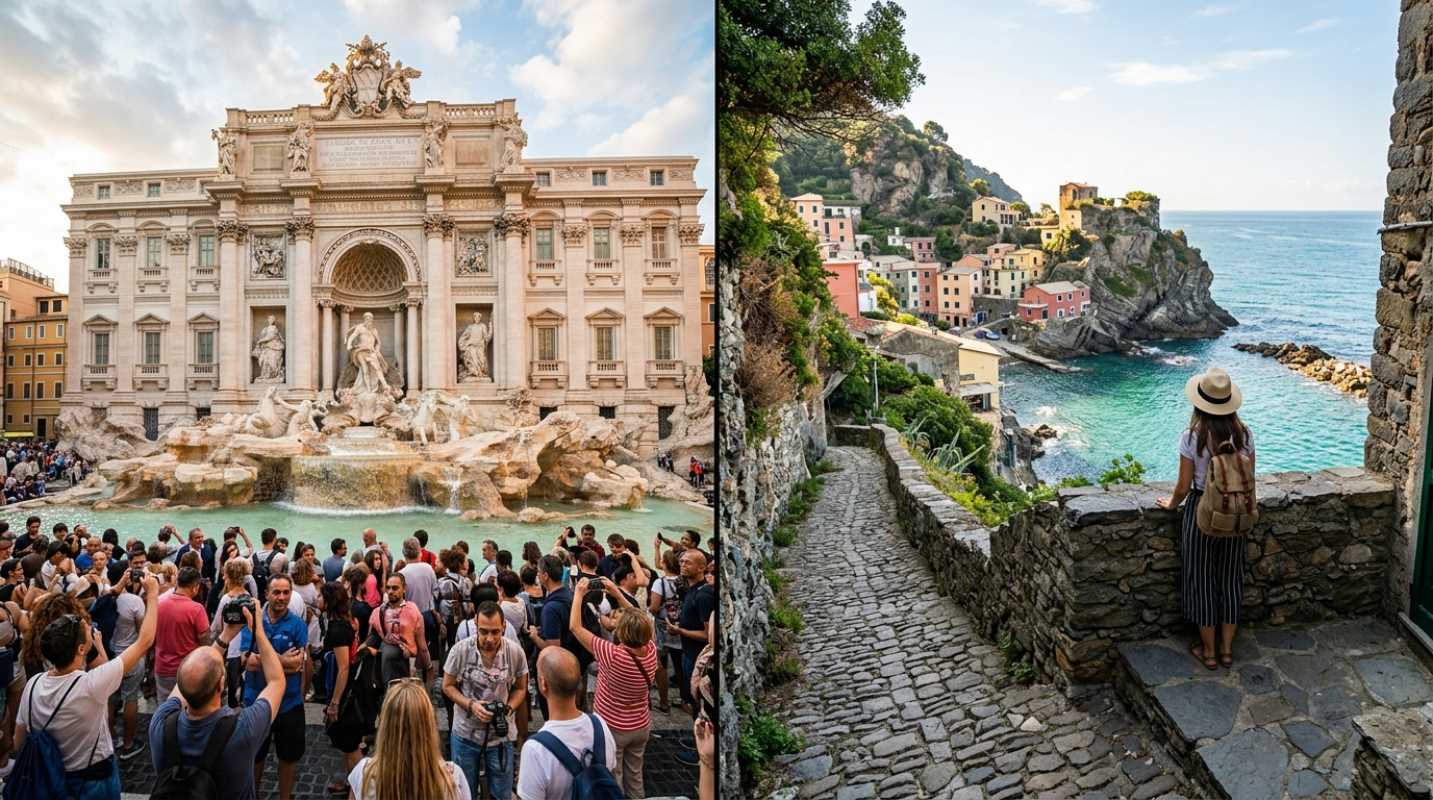
Have you ever stood in a three-hour line under a blistering sun just to catch a thirty-second glimpse of a painting? Most of us have. We do it because those iconic, bucket-list landmarks hold massive cultural significance. They are the stories we grew up on, the backdrops of history, and the physical proof of human genius. Seeing the Colosseum in person is a shared human experience that connects us to history. Think of it like seeing a legendary band live. You can listen to their album at home, but being in the stadium with thousands of others is a completely different feeling.
There is also a massive comfort factor in sticking to the beaten path. Popular spots have the best infrastructure. You get clear English signage, reliable public transit, and plenty of hotels. If you are traveling with kids or it is your first time abroad, this predictability is a lifesaver. It takes the anxiety out of the equation.
Then, let's be honest about the social media factor. Posting a photo of yourself in front of the Eiffel Tower is the digital equivalent of a gold star. It instantly communicates where you are. We love the validation of sharing these universal symbols, and there is no shame in admitting it.
The Quest for Authenticity Exploring Hidden Destinations
But lately, the dream has started to feel like a bit of a nightmare. Overtourism reached a major boiling point over the last couple of years. In late 2024, Barcelona was flooded with over ten million visitors in a single month, leading locals to protest. The city council even had to remove a local bus route to Park Güell from Google Maps just to keep tourists from crowding out residents. Venice started charging entry fees, Pompeii put a hard cap on daily visitors, and Hawaii actually began dismantling the famous Haiku Stairs because of safety issues and trespassing.
This chaos has triggered a massive shift in how we travel. More people are embracing what is called JOMO, the joy of missing out.² Instead of feeling anxious about missing the big sights, travelers are opting for quiet, restful trips. This has led to the rise of destination dupes, which are cheaper, quieter alternatives to famous hotspots.¹ On TikTok, the hashtag for dupes has racked up billions of views from people looking for a breath of fresh air.
Here are some of the most popular dupes and detours making waves right now
• Choquequirao, Peru: This is the sister city to Machu Picchu. It is three times larger but only partially excavated. Because it requires a tough hike, only a few dozen people visit each day compared to the thousands at Machu Picchu.
• Ljubljana, Slovenia: A beautiful alternative to Venice. It has gorgeous canals, historic bridges, and a relaxed cafe culture without the crushing crowds.
• Bacalar, Mexico: Known as the Maldives of Mexico. It features a stunning, seven-colored lagoon and peaceful overwater cabanas.
• The Azores, Portugal: A volcanic archipelago that offers the lush green cliffs and hot springs of Hawaii at a fraction of the price.
• Reims, France: A perfect quick detour just 45 minutes from Paris, offering UNESCO cathedrals and world-class Champagne houses.
Choosing these places is also a more ethical way to travel. It helps spread tourism dollars to communities that actually want and need them, rather than straining cities that are already full.
Some destinations are leading the way in this new wave of sustainable travel. In the Azores, local governments protect 39% of their land and get 40% of their energy from renewables. Meanwhile, Nepal has protected 45% of its land through community forests, which helped triple their wild tiger population. This is travel that leaves a place better than you found it.
Striking the Balance The Hybrid Approach
You do not have to choose a side in this battle. You do not have to become a purist who only visits places without electricity, nor do you have to spend your entire vacation fighting crowds in Rome. The best trips usually combine both.
Think of it as a smart detour. You can spend two days in a major hub like Milan to see the main sights, then spend four days in a nearby hidden gem like Brescia. This gives you the best of both worlds: the thrill of the icons and the peace of the countryside. It is also a massive win for your wallet, as choosing a dupe can easily save you 40% to 50% on lodging and food.
If you do want to visit the major sites, timing is everything. Here are a few quick tips to beat the crowds
• Go early or late: Most tour buses arrive between 10 AM and 3 PM. If you show up at sunrise or right before closing, you will often have the place to yourself.
• Travel in the shoulder season: Skip July and August entirely. Europe in October or April is spectacular and far less crowded.
• Book night tours: Many famous museums and ruins offer special evening openings. These are quieter and much more atmospheric.
How to Find Your Own Hidden Gems
Finding these lesser-known spots takes a bit of work, but it is incredibly rewarding. The easiest way is to ask the people who actually live there. Skip the generic travel guides and talk to your Airbnb host, local baristas, or taxi drivers. Ask them where they go on their days off.
You can also use technology to find unconventional routes. Instead of searching for the top-rated restaurants on Google Maps, zoom in on a random neighborhood and look for places with reviews written only in the local language. Turn off the default tourist filters and let yourself wander online before you go.
Most importantly, you need to develop a curiosity-first mindset. When you are walking around a new city, take the random alleyway instead of the main street. If you see a sign for a local festival, follow it. The best travel stories almost always start with a wrong turn or an unplanned stop. Developing this mindset means letting go of the need for constant perfection. Sometimes the best meal of your trip is the greasy slice of pizza from a corner shop where no one speaks English, not the Michelin-starred restaurant you booked six months in advance.
Redefining Your Travel Legacy
It is easy to get caught up in the checklist mentality of travel. We want to tick off the countries, the wonders, and the famous views. But when you look back on your life, you probably won't remember the long lines or the crowded viewing platforms. You will remember the quiet morning coffee in a sleepy village, the conversation with a local artist, or the view from a hill you had entirely to yourself.
Diverse travel experiences shape a better world view. They teach us that the world is vast and full of beautiful places that do not have a marketing budget or millions of Instagram tags. When you travel this way, you realize that adventure isn't something you buy off a shelf. It is something you find when you are willing to look where everyone else is turning away.
The quality of your journey matters far more than the fame of your destination. By stepping off the beaten path, even just a little bit, you become a better traveler and a better guest to the communities you visit.
If you are planning your next adventure, here are some curated options to help you plan the perfect balance of iconic sights and hidden gems.
Sources:
1. Destination Dupes 2026
https://www.getyourguide.press/blog/destinationdupes2026
2. Unpack '25 Travel Trends
https://www.expedia.com/newsroom/unpack-25-travel-trends/


.png)