
Remember when booking a vacation rental was the ultimate travel hack? You'd get a quirky, spacious apartment in central the city for a fraction of what a sterile hotel room cost. But things have changed. In 2026, the era of reflexively booking an Airbnb or Vrbo because it feels cheaper is officially over.
So what happened? A massive shift in how travel pricing works has turned the lodging industry upside down. Thanks to a major regulatory crackdown and changing traveler habits, deciding where to lay your head isn't just a simple math problem. You have to match your travel style to the right experience.
Are you a comfort seeker who wants to be pampered, or an experience seeker who needs space to stretch out? Today, travelers are demanding more transparency and better service than ever before. To get the best value, you have to look past the flashy photos and understand what you are actually paying for.
The Great Debate and Defining Your Travel Priorities
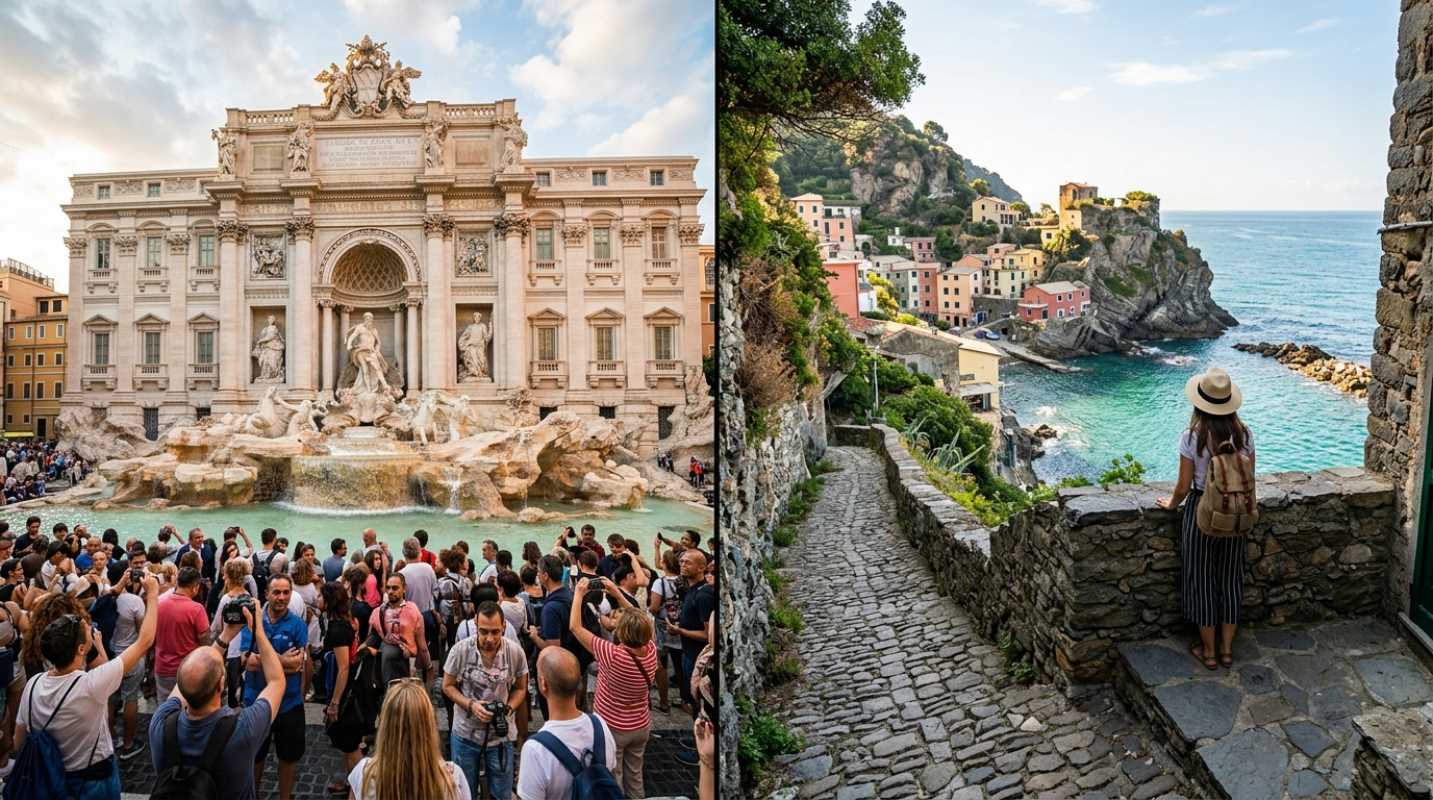
The core difference between hotels and vacation rentals used to be about price, but today it is about control. Hotels offer a curated, predictable environment where someone else handles the logistics. Vacation rentals offer a localized, self-sufficient environment where you are in charge of your own space.
Your travel personality plays a huge role in which option feels like a better deal. If you find peace of mind in knowing exactly what your room will look like, hotels are your sanctuary. If you prefer blending in with the locals and making your own coffee in a real kitchen, rentals are your haven.
We've also seen a massive shift in traveler expectations over the last couple of years. The novelty of staying in a stranger's home has worn off. Now, travelers are looking for frictionless stays, upfront pricing, and zero chores on their vacation.
The Case for Hotels with Convenience and Consistent Quality
If you're traveling alone or as a couple for a quick weekend getaway, hotels are making a massive comeback. In fact, a national survey revealed that 62% of U.S. travelers now prefer hotels over vacation rentals. Why the sudden shift back to traditional lodging?
It comes down to predictability and convenience. When you book a hotel, you know exactly what you're getting. There aren't chore lists waiting for you on the counter, and you don't have to worry about a host canceling your reservation at the last minute.
For short stays, hotels are almost always the smarter financial choice. A study comparing costs across 50 major U.S. cities found that hotels were cheaper than whole-unit vacation rentals in 46 of them once you add in all the fees. If you're staying three nights or fewer, hotels beat vacation rentals on total cost in 27 out of 28 major U.S. markets.³ The only real exception to this rule is New York City, where astronomical hotel rates still make rentals a slightly cheaper alternative.
Beyond the base price, hotels offer built-in value that is hard to replicate in a private home
• Loyalty programs: You can earn points for free nights, room upgrades, and late checkouts.
• Daily perks: Free breakfast, gym access, and a pool can save you a significant amount of money.
• Service on demand: If your toilet clogs or your keycard stops working, there is a front desk agent ready to help you 24/7.
The Rise of Vacation Rentals with Space and Privacy
Although hotels win the short-stay battle, the math completely flips when you travel with a group or family. If you're trying to squeeze four or more people into a hotel, you're looking at a hefty multi-room penalty.
The average U.S. hotel rate sits at around $162 per night. If you need to book four to six rooms for a family reunion or a group of twelve friends, you're looking at $650 to $970 every single night before taxes. A single large vacation rental home that fits everyone is cheaper and keeps your group together in the same space. Group trips in vacation rentals can easily cut your per-person lodging costs by 50% or more.
The real secret weapon of the vacation rental is the kitchen. Dining out is one of the biggest expenses of any trip. A family of four staying in a hotel spends an average of $260 to $360 per day eating at restaurants. With a fully equipped kitchen in a vacation rental, you can cook breakfast and prep a few dinners, dropping your daily food cost to around $100 to $150.
Here are a few other ways vacation rentals offer superior value for longer stays
• Free laundry facilities: You can wash your clothes without paying outrageous hotel laundry service fees, which often run $20 to $30 a load.
• Pet friendly options: Bringing your dog saves you from expensive boarding fees back home.
• Unmatched privacy: You don't have to share a wall with noisy neighbors or whisper in your room while the kids are sleeping.
Hidden Costs and What You Don't See on the Price Tag
Have you ever found a gorgeous rental for $100 a night, only to watch the price double at checkout? We've all been there. Fortunately, the era of deceptive pricing is coming to an end.
On May 12, 2025, the Federal Trade Commission officially implemented its landmark rule banning hidden junk fees.¹ Booking platforms must now show you the total price, including all mandatory fees, right from your very first search. Congress also pushed forward the Hotel Fees Transparency Act to enforce this across the entire industry.
But even with upfront pricing, the breakdown of fees between hotels and rentals is vastly different
• The vacation rental markup: Cleaning fees remain a massive hurdle. In the U.S., the average Airbnb cleaning fee is $161 per stay.² When you add up cleaning fees, platform fees, and local lodging taxes, the average rental checkout total is a staggering 55.9% above the advertised nightly rate.²
• The hotel add ons: Hotels aren't innocent either. Mandatory resort or destination fees average $26 to $35 per night nationally, and they can climb to $55 on the Las Vegas Strip. You also have to watch out for daily parking fees of $15 to $30 and premium Wi-Fi charges.
• The location factor: Vacation rentals are often located in quiet residential neighborhoods. Although this offers a local vibe, it can dramatically increase your transportation costs if you have to pay for ride-shares or rental cars to get to the main attractions.
To make matters more interesting, Airbnb changed its fee structure in late 2025. They moved to a system where hosts pay a flat 15.5% service fee, removing the separate guest platform fee. To protect their margins, most hosts simply raised their base nightly rates by 14% to 16%. So while the pricing looks cleaner, you're still paying for it.
Before you book your next trip, you need to look at the big picture. Value is not just about finding the lowest nightly rate. It is about calculating the total cost of your stay, including food, transport, and your own peace of mind.
Here are a few quick tips to help you get the absolute best deal
• Call the hotel directly: Sometimes, simply calling the front desk can land you a cheaper rate or a free upgrade that isn't listed online.
• Read the rental house rules: Make sure you check the cleaning requirements before booking so you don't end up paying a $150 cleaning fee and still having to vacuum the floors.
• Compare the all-in price: Always use the total price filter on search engines to compare hotels and rentals side-by-side.
The Final Verdict and Matching Your Lodging to Your Journey
So which option offers the better value? The truth is, it depends entirely on the type of trip you're taking.
If you're planning a solo business trip, a quick weekend getaway with your partner, or a stay of under three days, stick with a hotel. You'll save money, enjoy better flexibility, and get to relax without a list of chores hanging over your head.
But if you're traveling with a large group, planning an extended stay, or traveling with kids and pets, a vacation rental is still the undisputed champion of value. The savings on food and extra hotel rooms far outweigh the high cleaning fees.
You should also consider your personal values. Over 70% of travelers now worry that short-term rentals are driving up housing costs for locals in popular destinations. If community impact is important to you, a traditional hotel might be the choice that lets you sleep easiest at night.
At the end of the day, the best value is the one that minimizes your stress and get the most your enjoyment. Choose the lodging that fits your itinerary, and enjoy the journey.
Sources:
1. checkbook.org
https://www.checkbook.org/washington-area/consumers-notebook/articles/New-Federal-Rule-Bans-Hidden-Fees-for-Hotels-and-Tickets-for-Concerts-and-Sporting-Events-7921
2. tripjaunt.com
https://tripjaunt.com/the-hidden-fee-airbnbs-are-quietly-adding-to-your-bill-this-summer/
3. airroi.com
https://www.airroi.com/blog/airbnb-vs-hotel-all-in-pricing-2026


.png)